The Compassionate Guide to Coordinating a Deceased Estate in Sydney
When grief meets practicality, you need more than a checklist — you need someone who understands both.
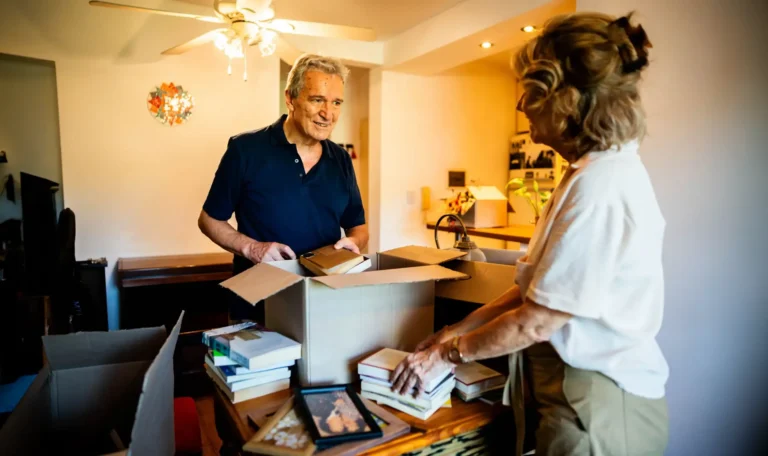
There’s a particular kind of stillness that settles over a home after someone has passed. You step through the front door — perhaps for the first time since the funeral, perhaps with a sibling beside you, perhaps entirely alone — and the weight of it is immediate. A lifetime of belongings surrounds you. Photographs. Kitchen drawers full of things that seemed ordinary last year and now feel sacred. Furniture that holds the shape of a person you loved. And somewhere beneath all of that, a quiet, sinking realisation: someone has to sort through all of this.
If you’re reading this, there’s a good chance that someone is you. You may be the executor of the estate. You may be the eldest child, the most organised sibling, the one the family looks to when decisions need to be made. Or you may simply be someone who loves — loved — this person deeply, and who has found themselves holding a responsibility that no one prepares you for. Whatever brought you here, one thing is certain: you are not alone in feeling overwhelmed, uncertain, and quietly unsure of where to begin.
This guide exists for you. Not as a dry procedural document, but as a genuine, warm walkthrough of what deceased estate coordination in Sydney actually involves — what to expect, how to pace yourself, and why having the right support by your side changes the experience entirely.
The Grief-Logistics Collision Is Real, and is Completely Normal
One of the cruelest things about losing someone is that grief doesn’t pause while the practical world waits. Within days or weeks of a death, families in Sydney find themselves navigating probate conversations with solicitors, managing the expectations of landlords or real estate agents, fielding calls from interstate relatives, and somehow also trying to feel their feelings. The emotional and the administrative arrive together, uninvited, and the collision is disorienting in ways that are genuinely difficult to articulate.
What tends to make it worse is the assumption — often internalised rather than spoken aloud — that you should be able to manage this. That it’s just a matter of getting organised, rolling up your sleeves, and working through it methodically. But a deceased estate is not a decluttering project. It is not a weekend task. It is a deeply human undertaking that touches memory, identity, family relationships, and loss at every single turn. The coffee mug on the kitchen bench. The handwriting on a birthday card tucked into a drawer. The furniture arrangement that hasn’t changed in thirty years. Every room is a conversation with someone who is no longer there to answer.
Acknowledging this — truly accepting that this is hard, and that it’s supposed to be hard — is actually the most important first step. It gives you permission to pace yourself, to ask for help, and to approach the process with the gentleness it deserves.
What Deceased Estate Coordination in Sydney Actually Involves
Once you’ve given yourself that permission, it helps to understand what the process generally looks like from beginning to end. Deceased estate coordination is not a single task — it is a sequence of interconnected stages, each requiring different kinds of decision-making and energy. Understanding those stages in advance can transform an overwhelming blur into something that feels, if not straightforward, at least navigable.
Stage One: The Initial Assessment
Before anything is moved, donated, sold, or discarded, a clear picture of what you’re working with needs to take shape. This initial assessment phase involves walking through the property methodically — not to make decisions yet, but simply to understand the scope. How many rooms? How many decades of accumulated belongings? Are there items of particular financial or sentimental value that require specialist attention? Are there legal considerations attached to certain possessions? This is also the moment to identify anything that requires immediate attention, such as perishables, valuables, or items that need to be secured.
For many families, this stage is emotionally the most intense, because it’s often the first extended time spent in the property after the loss. Going gently here — and ideally not going alone — makes an enormous difference.
Stage Two: Sorting and Decision-Making
This is where the real work begins, and where the guidance of an experienced coordinator becomes invaluable. The sorting process involves making considered decisions about every category of item in the home: what family members wish to keep, what has value and should be assessed for sale or auction, what can be donated to charity, and what needs to be responsibly disposed of.
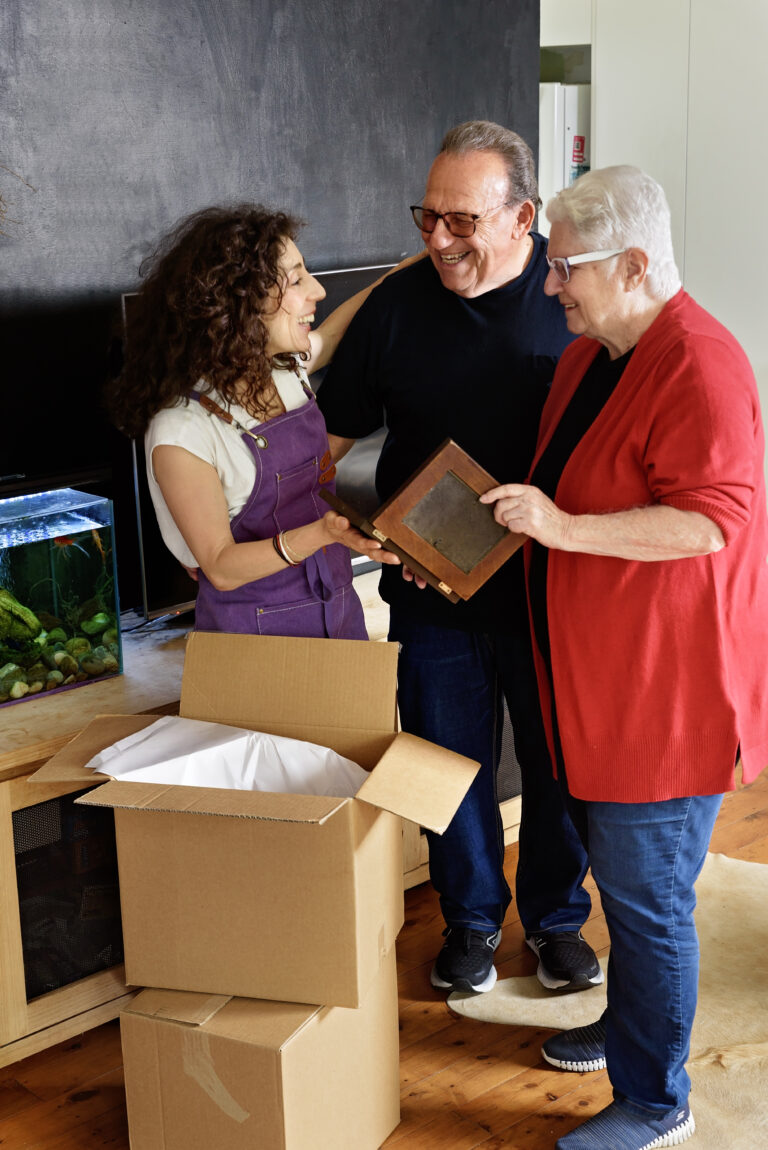
Imagine, for a moment, the complexity of this in a family context. One sibling is local and can attend in person; another is based in Melbourne and needs to participate remotely. There are opinions about the dining table, the artwork, the tool shed. There are items whose value is purely emotional, and items whose emotional resonance is unexpectedly complicated. A skilled coordinator holds space for all of this — facilitating the process without rushing it, and helping families move through decisions with clarity and care.
Stage Three: Donations, Charity Coordination, and Ethical Disposal
Once decisions have been made, the next stage involves actually moving items on to their next chapter. Many families find deep meaning in donating a loved one’s belongings to causes or organisations that would have mattered to them — local charities, community organisations, op shops, or specific groups that align with the person’s values or history. A good deceased estate coordination service in Sydney will have established relationships with reputable local charities and will manage the logistics of collection and delivery, sparing the family yet another layer of administrative burden.
Items that cannot be donated or retained need to be disposed of responsibly and, wherever possible, sustainably. This is not simply a matter of hiring a skip bin. Thoughtful, ethical disposal — one that minimises landfill and honours the life that was lived in that home — is a mark of a service that genuinely cares about the work it does.
Stage Four: Deep Cleaning and Property Preparation
Once the property has been cleared, it typically requires a thorough deep clean before it can be handed over to a real estate agent, returned to a landlord, or prepared for sale. This is not ordinary housekeeping. Decades of living leave their mark on a home, and the cleaning required to bring a property up to a standard suitable for market or tenancy is specialised work. A full-service deceased estate coordination provider will manage this stage as part of the same seamless process, meaning the family never has to source, brief, and oversee a separate cleaning contractor.
Why a Single Point of Coordination Changes Everything
One of the most quietly exhausting aspects of managing a deceased estate without professional support is the sheer number of people you end up coordinating. The removalist. The charity collection team. The cleaning service. The skip bin company. The real estate agent who needs the property by a certain date. Each relationship requires briefing, scheduling, and follow-up — and all of it falls to you, at a time when your emotional reserves are already depleted.
The value of working with a dedicated deceased estate coordination service in Sydney is precisely this: you have one trusted point of contact who manages everything on your behalf. You don’t need to become a project manager during one of the most difficult seasons of your life. You describe what you need, you remain as involved as you wish to be, and a skilled team handles the rest. The mental load — which is often invisible but deeply real — is dramatically reduced.
This is particularly meaningful for families where the primary executor or decision-maker is also the primary emotional support person for other grieving family members. When you’re holding space for everyone else’s grief, having someone who holds space for the practical side of things is not a luxury. It is an act of self-preservation.
The Tidy Transitions Difference: Where Social Work Meets Practical Support
Not all estate coordination services are created equal, and the difference becomes most apparent in how a team handles the human dimensions of the work. Tidy Transitions was founded on a social work foundation — which means that the team approaches every engagement with an understanding of grief, family systems, and the emotional complexity that lives inside physical spaces.
This isn’t simply a philosophy. It shapes everything from the pace at which the team works, to the language they use, to the way they handle moments when a family member needs to stop and sit quietly with a box of old photographs. The team understands that belongings carry stories, and that rushing the process — or treating it as a purely logistical exercise — can leave families feeling as though something important has been lost beyond the person themselves.
For families across Sydney — whether you’re based in the inner suburbs, the lower North Shore, the Eastern Suburbs, the Hills District, or further afield — Tidy Transitions offers a genuinely compassionate alternative to going it alone or managing a patchwork of contractors. The work is practical, efficient, and thorough. But it is also, always, deeply human.
Navigating Family Dynamics With Grace
Few things surface family complexity quite like the process of sorting through a loved one’s estate. Decisions about who keeps particular items can become unexpectedly charged — not because families are dysfunctional, but because grief has a way of making everything feel more weighted, more final, more freighted with meaning. The dining table isn’t just a dining table. It’s every Christmas dinner, every homework session, every argument and reconciliation that happened around it.
When family members are geographically spread — as is increasingly common in Sydney, where adult children may have moved interstate or overseas — the coordination challenge is compounded by the practical difficulty of not being physically present. Remote family members can feel excluded from the process, or guilty that they’re not there to help. Local family members can feel overwhelmed by the weight of responsibility falling on them.
A skilled coordinator acts as a neutral, calm presence in this dynamic. They don’t take sides. They facilitate communication. They can document items via photographs and video to ensure that interstate family members are included in decisions. And they help move the process forward without making anyone feel rushed, dismissed, or steamrolled. This kind of facilitation is genuinely one of the most valuable things a good estate coordination service offers — and it’s rarely mentioned in the marketing materials.
What to Look for When Choosing a Deceased Estate Coordination Service in Sydney
If you’re at the point of actively researching your options, a few guiding principles will help you choose wisely. The first is compassion — and specifically, evidence that the service has been designed with the emotional experience of grieving families in mind, not merely the logistical one. Ask how they pace their work. Ask how they handle moments of difficulty. Ask whether the same team members remain with you throughout the process, or whether you’ll be handed between strangers.
The second is comprehensiveness. The more stages of the estate coordination process a single provider can manage, the less burden falls on you. Look for a service that can move seamlessly from assessment through sorting, donation, disposal, and cleaning without requiring you to source and brief additional contractors at every turn.
The third is local knowledge and networks. A provider with deep roots in Sydney will have established relationships with local charities, disposal services, and property professionals — relationships that translate directly into a smoother, faster, more connected experience for your family. When time is a factor, as it so often is with deceased estates, these relationships matter enormously.
Finally, look for transparency and no-pressure communication. The right service will have a genuine conversation with you about your needs before any commitment is made. They will listen more than they speak in that initial conversation. And they will make you feel, from the very first contact, that you are in safe and capable hands.
You Don’t Have to Navigate This Alone
If you’ve read this far, you already know what you’re facing. You may be standing at the very beginning of this process, feeling the full weight of it. You may be part-way through, exhausted and unsure how to keep going. You may simply be preparing yourself, wanting to understand what lies ahead before you walk through that door.
Wherever you are, the most important thing to know is this: you don’t have to manage this alone, and you shouldn’t have to. Deceased estate coordination in Sydney, when it’s done with genuine care and expertise, is not just a practical service — it is an act of compassion extended to a family in one of its most vulnerable moments. It gives you back the space to grieve, to be present with the people you love, and to honour the life that was lived without being consumed by the logistics of clearing it away.
Tidy Transitions exists because of exactly this need. Built on a foundation of social work and guided by a deep understanding of what families go through during these transitions, the team is here to walk alongside you — not to take over, but to support, to coordinate, and to carry what you cannot carry alone.
When you’re ready — and there’s no rush — we’d love to have a gentle, no-pressure conversation about how we can help. There’s no obligation, no hard sell, and no expectation that you have everything figured out before you reach out. You’re allowed to come with questions, with uncertainty, with grief. That’s exactly what we’re here for.
Ready to Talk? We’re Here When You Are.
Get in touch with the Tidy Transitions team for a compassionate, obligation-free conversation about deceased estate support in Sydney. Whether you’re just beginning to think through your options or ready to take the next step, we’re here to help you move from overwhelm to calm — at your own pace, in your own time.
Contact us today — or explore our related guides on downsizing support and end-to-end move management to understand the full range of ways we can support you and your family.